Fishing South San Mateo Beaches
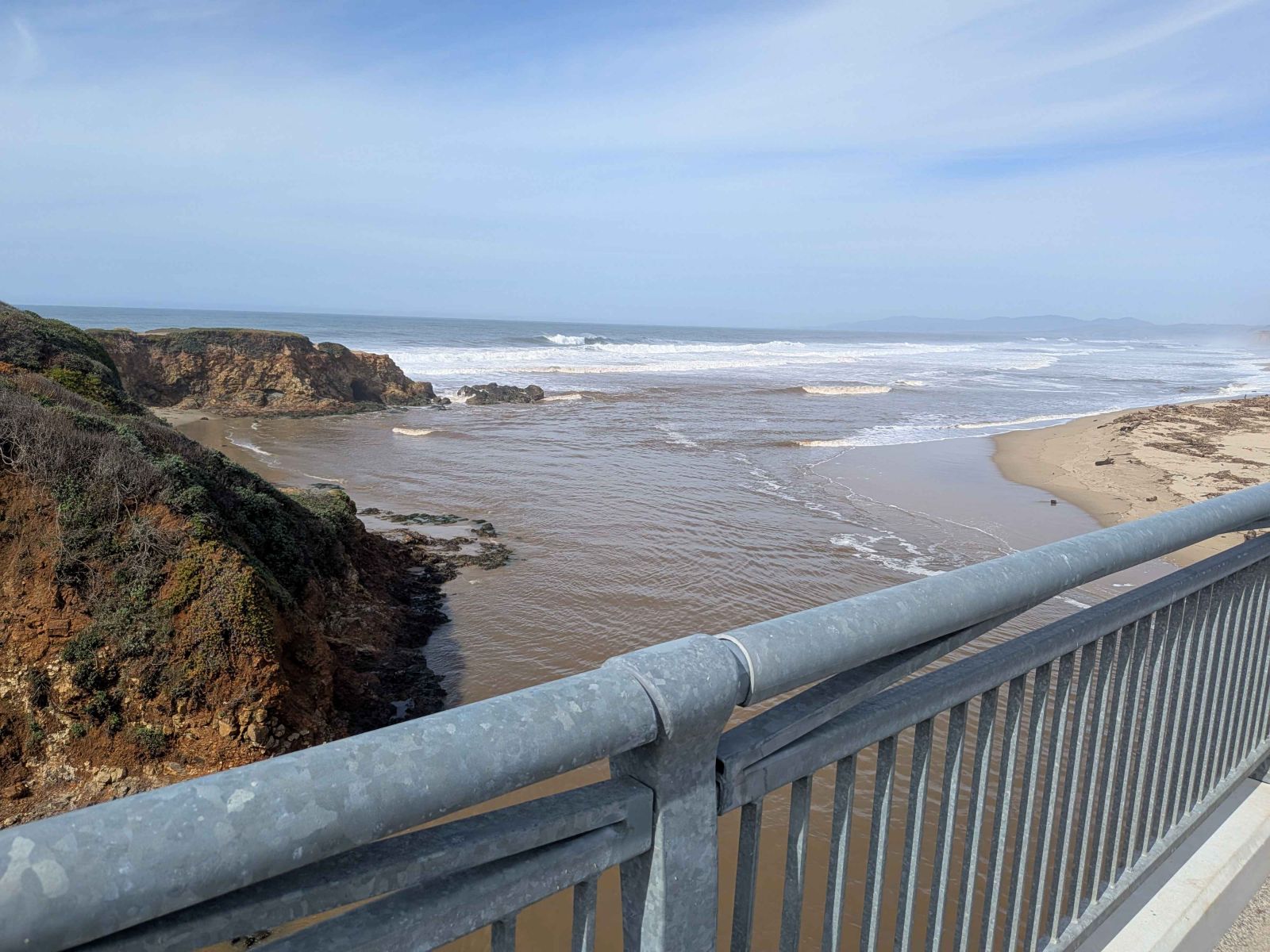
Along Highway 1 on the southern end of San Mateo County lie a number of beautiful sandy beaches, where tall sandy cliffs form a stunning backdrop to fairly quiet sand that is perfect for fishing. The main beaches here are Martin’s Beach, Tunitas Beach, San Gregorio State Beach, Pomponio State Beach and the northern end of Pescadero State Beach. The fishing and crabbing here can be decent at the right times.
About the Beach
With the geography of these beaches, the amount of fishable area often depends heavily on the tide and how much you are willing to wade. At low tide, you can usually hike along the foot of the cliffs for miles, providing excellent fishing access. At high tide however, the ocean can come all the way up to the foot of the cliffs, so make sure you time your beach stroll if you don’t have any waders and you don’t want to get wet. With sufficient flows, a number of rivers and creeks also pour into the ocean at the beaches here, which you may need to wade across.
In general, fishing Berkley Gulp Sandworms or shrimp pieces in the holes and troughs here can yield excellent catches of surfperch — typically barred, silver or walleyes. They can come in close to shore so you don’t necessarily need a long cast. Throwing a crab snare can also net some nice Dungeness crab here — the classic squid, chicken or cut fish should do just fine. There can be some big currents so make sure you use enough weight in the snare. For both perch and crab, an incoming tide is usually the best time to fish for them, so time your arrival if you don’t have all day to fish.
In the summer, striped bass can make their way down here, although not as frequently as the beaches to the north — fishing sandcrabs or large spoons/streamers can yield a big catch. The rivers here at these beaches are also home to steelhead that can be caught by throwing a fly/lure into the surf in the cooler months. The local populations have struggled in recent years however, so catch rates are not great.
Notes
Most of the beaches here have parking fees. If you don’t want to pay them, there are a few turnouts along Highway 1 that you can park for free.
Recommended Gear
For the crab:

Crab Snare
My baits of choice for the perch (fish on a high-low rig or fish-finder aka Carolina rig):

Raw shrimp

Berkley Gulp Sandworms
The weights I use:

Cloth Bags

Ultra Steel Bullet Weights, 3/4 ounce

Lead Sinkers, 2 ounces